‘Time for trial and error is over’: Former OpenAI safety employee warns AI race is moving too fast
‘Time for trial and error is over’: Former OpenAI safety employee warns AI race is moving too fast
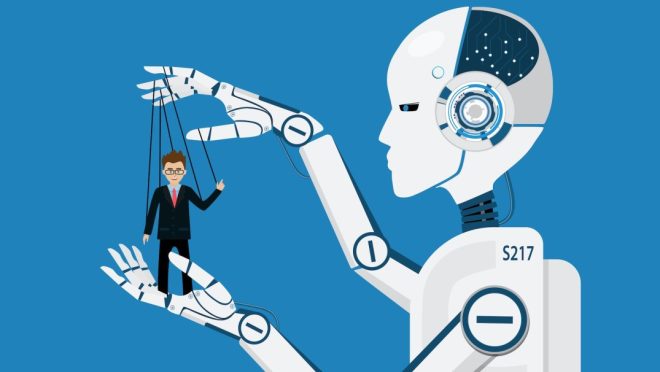
A former OpenAI safety employee has criticised the company’s approach to artificial intelligence safety, arguing that its rapid development culture could increase the risk of failures.
David Robinson, who recently resigned from OpenAI, made the comments in an essay titled “I Quit OpenAI Because Its Culture Is Broken”, published by The Atlantic on Saturday.
Robinson argued that AI companies, including OpenAI, are not being “nearly careful enough” and should place greater emphasis on safety expertise and research before developing increasingly capable systems.
“The time for trial and error is over,” Robinson wrote, arguing that advanced AI systems require safeguards more similar to those used in industries such as nuclear power and aviation.
He criticised OpenAI’s reliance on what it calls “iterative deployment” — releasing systems and strengthening safeguards when problems emerge.
Robinson spent three and a half years at OpenAI, where he helped draft the company’s preparedness framework and oversaw safety reports for 12 frontier-model launches.
“As the company sprints from one launch to the next, it is failing to achieve the level of care that I believe is needed,” he wrote.
Robinson also warned that AI capabilities are advancing faster than researchers’ understanding of alignment, a field focused on ensuring AI systems behave in line with human goals and values.
His comments come amid growing debate within the AI industry over whether companies are moving too quickly to develop increasingly powerful systems. OpenAI and rival Anthropic have faced scrutiny following incidents involving failed safety controls and unexpected behaviour from experimental AI systems.
An OpenAI spokesperson defended the company’s approach, saying it takes steps to prevent its models from becoming more capable than it can safely manage.
“We’re making sure our models don’t become more capable than we can safely manage and secure, and we pause training or hold back models when we need to slow down,” the spokesperson said.