Most UK migrants will have to wait 10 years to secure permanent residency
Most UK migrants will have to wait 10 years to secure permanent residency
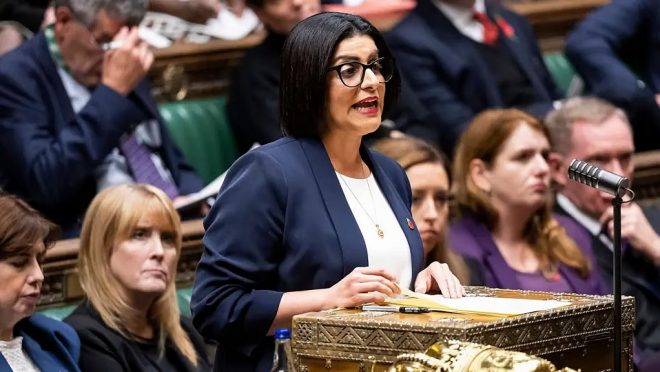
Most legal migrants will now have to wait 10 years to qualify for permanent residency in the UK, following a new immigration policy announced by Home Secretary Shabana Mahmood in the House of Commons.
Under the revised rules, the standard qualifying period for Indefinite Leave to Remain (ILR) will increase from five to 10 years. The policy, presented on Monday (2 November), also introduces income-based settlement periods, with eligibility depending on migrants’ earnings and compliance with visa conditions.
ILR allows foreign nationals to live, work and study in the UK permanently, while also making them eligible for certain government benefits.
The government had initially proposed extending the settlement period to 15 years for some migrant workers, particularly those employed in care and service sectors. However, the final policy dropped the proposed 15-year waiting period following political and public opposition.
Care workers who entered the UK on a Care or Social Care visa before May 2025 will remain eligible to apply for ILR after five years under the previous rules, provided they meet the visa requirements and have earned at least £25,000 annually during the 12 months before applying.
The new policy introduces different settlement periods based on annual income.
Migrants earning more than £125,000 a year will be eligible for permanent residency after three years. Those earning more than £50,271, including doctors, nurses, teachers and other skilled professionals, will be able to apply after five years.
Other legal migrants earning below that threshold will have to wait 10 years.
The qualifying period could increase to 20 years for migrants who breach their visa conditions or claim certain government benefits. Those who enter the UK illegally by small boats could face waiting periods of 20 to 30 years.
The changes mark a shift from the previous system, under which most migrants holding eligible visas could apply for permanent residency after five years. The government now says settlement should be earned through migrants’ contributions to the country rather than treated as an automatic entitlement.
The policy comes as a large number of migrants who arrived in the UK following the country’s post-Brexit immigration changes approach eligibility for permanent residency.
Citing information from the Migration Advisory Committee, Mahmood said providing lifelong benefits to these migrants could cost UK taxpayers around £10 billion.
In a speech in March, the home secretary said the scale of immigration between 2021 and 2024 was comparable to the total immigration recorded over the previous four decades.
She also warned that around 350,000 low-skilled workers and their dependants who entered the UK through Health and Social Care visas could qualify for permanent residency within the next five years, potentially becoming eligible for various government benefits.
The government conducted a year-long public consultation on the proposed reforms, receiving more than 200,000 responses. The plans also faced considerable opposition within the governing Labour Party before their announcement.
Reform UK leader Nigel Farage said those seeking negative net migration figures would naturally remain dissatisfied with the changes. He called for the complete abolition of the ILR system and the withdrawal of settlement status granted in the past.
Meanwhile, Conservative shadow home secretary Chris Philp accused the Labour Party of giving in to what he described as the open-borders left.
In a post on social media platform X, Philp claimed the changes would allow millions of low-income and unemployed migrants to remain in the UK permanently and access government benefits.