Unicef pledges support to boost EdTech, English skills in Bangladesh’s primary education
Unicef pledges support to boost EdTech, English skills in Bangladesh’s primary education
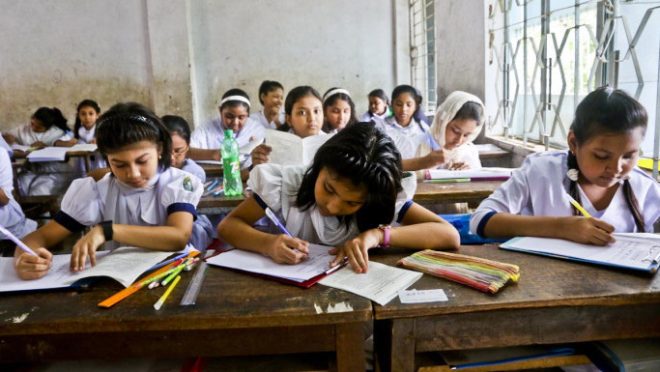
Unicef has pledged technical assistance and international partnerships to support the use of education technology (EdTech) and digital technology in Bangladesh’s primary education, improve students’ English skills, and ensure inclusive education for children with disabilities.
The UN agency’s Global Education Director Pia Rebello Britto made the commitment during a meeting with Primary and Mass Education State Minister Bobby Hajjaj at the UN Plaza in New York yesterday (25 September), according to a ministry press release issued today (26 September).
The meeting discussed the effective use of EdTech, improving primary students’ English proficiency, integrating technology into education, and ensuring inclusive education.
Britto assured Unicef’s close cooperation and technical support for Bangladesh’s initiatives, including international partnerships.
She said Unicef would also support quality, equitable, and future-oriented education for every child through technology.
The meeting also discussed technological cooperation between Bangladesh’s education sector and international technology companies, including Google, as well as improving learning outcomes and strengthening teachers’ and education administrators’ capacity.
State Minister Bobby Hajjaj said technology-based education could expand learning opportunities for primary students, while digital technology and AI-based educational tools could improve their language and foundational skills.
The meeting also stressed building a more inclusive, equitable, and accessible education system for children with disabilities, with stronger international cooperation to ensure no child is denied quality primary education due to physical or other barriers.
Later, Bobby attended a high-level roundtable, titled “Skills for Brighter Futures: Investing in Human Capital for Youth on the Move”, at the Unicef House on the sidelines of the 81st session of the UN General Assembly.
The meeting focused on skills development, investment in education and training, strengthening human capital, and creating future-oriented opportunities for young people amid a changing labour market.
Bobby said youth skills development was key to the country’s future economic strength, stressing the need to equip children with knowledge and skills from primary education for the future world of work.
He added that Bangladesh wants to work more closely with international partners to achieve this goal.