Energy drinks pose serious health risks to children, doctors warn
Energy drinks pose serious health risks to children, doctors warn
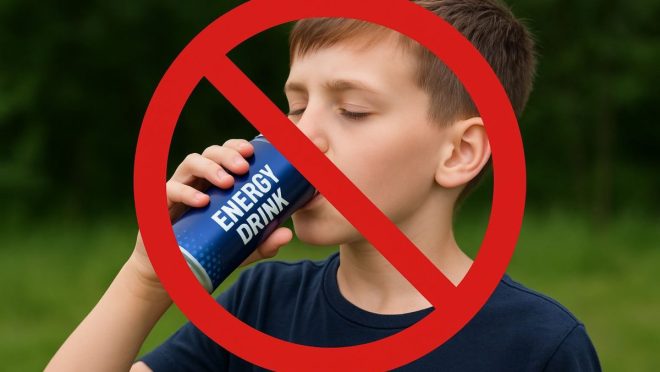
Doctors are renewing warnings about the health risks energy drinks pose to children and teenagers, citing their high caffeine content and potential to cause serious medical problems.
The warning comes after a newly formed coalition of doctors urged the Big 12 Conference to suspend its sponsorship deal with Monster Energy and called on the NCAA to review energy drink marketing targeting young people.
Doctors pointed to the deaths of three children, including 16-year-old South Carolina student Davis Cripe, who died in 2017 after consuming an energy drink.
Excessive caffeine consumption can cause abnormal heart rhythms, increased heart rate, sleep problems, dehydration, agitation, high blood pressure and seizures, doctors said.
The American Academy of Pediatrics recommends that children and teenagers avoid energy drinks altogether.
A federally funded Monitoring the Future survey found that 23% of 12th graders, 20% of 10th graders and 18% of eighth graders reported consuming energy drinks daily.
Depending on the product, a single serving can contain between 80 and 300 milligrams of caffeine. The American Academy of Pediatrics recommends limiting caffeine intake to 100 milligrams a day for those aged 12 to 18, while younger children are advised against consuming caffeine.
Dr Matthew Nelson, an Idaho cardiologist involved in the campaign, said energy drink sponsorships could lead children to confuse the products with sports drinks.
“The kids will think of them as sports drinks, which they’re not,” he said.
Dr Tamara Hannon, an Indiana paediatrician, said caffeine and other stimulants can increase heart rate and nervous system activity, potentially placing excessive strain on the body.
Children with conditions such as high blood pressure face greater risks, but excessive stimulant consumption can also harm otherwise healthy children, including athletes, doctors said.
Cripe had no known heart condition. According to the coroner, he had consumed a Mountain Dew and a McDonald’s latte earlier that day before drinking the energy drink and suffering an arrhythmia.
The American Beverage Association said its members voluntarily disclose caffeine levels on product labels and do not sell or market energy drinks in K-12 schools. Monster said more than 100 billion energy drinks have been sold and safely consumed worldwide over more than 30 years.
The Big 12’s deal with Monster includes the company’s logo on football and basketball jerseys, fields and courts, as well as digital and social media platforms.
The NCAA said it lacks authority over sponsorship agreements involving conferences and schools but provides educational resources on caffeine and student-athlete health.
Health officials are advising parents, teachers and coaches to educate children about excessive caffeine consumption and the difference between energy drinks and sports drinks. Sports drinks are designed to replace fluids and electrolytes lost during exercise, while energy drinks contain stimulants such as caffeine.
Cripe’s father urged parents to learn from his son’s death and other similar cases.
“We just pray parents will use our stories, our tragedies, our grief, to have an impact on their own kids,” he said.