How much cholesterol should you eat a day? Here’s what guidelines say
How much cholesterol should you eat a day? Here’s what guidelines say
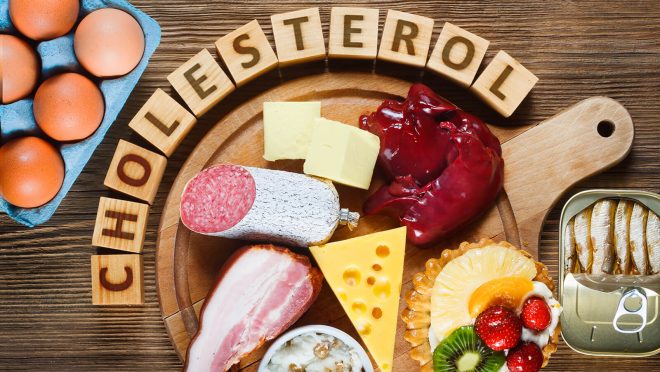
There is no specific daily limit for dietary cholesterol under current guidelines, but limiting saturated and trans fats remains important for maintaining healthy cholesterol levels, particularly for people at higher risk of heart disease.
The body needs cholesterol to build cells and produce certain hormones, and it produces all the cholesterol it needs in the liver and intestines.
Health guidance instead focuses on limiting saturated fat to less than 10% of daily calorie intake and avoiding synthetic trans fats as much as possible. Saturated and trans fats can prompt the liver to produce more LDL, commonly known as “bad” cholesterol, which can contribute to deposits in the arteries.
Dietary cholesterol is mainly found in animal-based foods such as meat, dairy products, seafood, egg yolks and butter.
Foods such as fruits, vegetables, grains and nuts contain no dietary cholesterol and can form part of a balanced diet.
However, the amount of cholesterol in a food does not necessarily determine whether it is a healthy choice. For example, shrimp is relatively high in cholesterol but low in saturated fat, while foods high in saturated fat include red meat, cheese, pizza, ice cream, processed meats, fried foods and many baked goods.
Trans fats, which should be avoided, can be found in some fried and packaged foods, baked goods, margarine, microwave popcorn and products containing hydrogenated oils.
Healthier unsaturated fats can be found in olive, peanut, canola, safflower and sunflower oils, as well as avocados, nuts and seeds.
Food labels can help consumers monitor saturated fat, trans fat, added sugar and cholesterol content. Nutrition labels generally provide information based on a 2,000-calorie daily diet.
Some common foods contain widely varying amounts of cholesterol and fat. One large egg contains about 186mg of cholesterol and 1.6g of saturated fat, while one avocado contains no cholesterol and about 23.4g of unsaturated fat.
A quarter-pound serving of 95% lean ground beef contains about 70mg of cholesterol and 2.5g of saturated fat. The same amount of 70% lean ground beef contains about 88mg of cholesterol and 13.3g of saturated fat.
A six-ounce serving of skinless chicken breast contains about 124mg of cholesterol and 1g of saturated fat, while one tablespoon of extra virgin olive oil contains no cholesterol and about 11.5g of unsaturated fat.
One cup of vanilla ice cream contains about 58mg of cholesterol and 9g of saturated fat. By comparison, one cup of low-fat yoghurt contains about 15mg of cholesterol and 2.5g of saturated fat.
Three ounces of uncooked shrimp contain about 137mg of cholesterol but only 0.1g of saturated fat. Half a cup of walnuts contains no cholesterol and about 28.1g of unsaturated fat.
For people looking to improve their cholesterol profile, dietary changes can include replacing butter with extra virgin olive oil, choosing leaner cuts of meat and opting for nuts and seeds instead of fried or processed snacks.
Rather than focusing on a specific daily cholesterol target, current guidance emphasises reducing saturated and trans fats and replacing saturated fats with unsaturated fats.
For people at higher risk of cardiovascular events or other health conditions, managing dietary fat and overall eating patterns may be particularly important.