
Personalised cancer vaccine cuts risk of recurrence or death by 42% in trial
Personalised cancer vaccine cuts risk of recurrence or death by 42% in trial
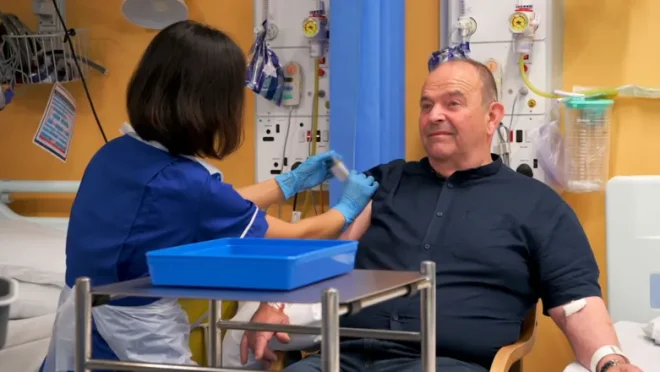
A personalised cancer vaccine, when combined with an existing immunotherapy drug, has reduced the risk of melanoma returning or patients dying by 42% in a major clinical trial, according to BBC News.
The trial involved 1,137 adults whose melanoma tumours had been surgically removed. All participants received Keytruda, an immunotherapy drug, while around two-thirds also received an experimental personalised vaccine called intismeran. The remaining participants received a placebo alongside Keytruda.
The vaccine uses messenger RNA (mRNA) technology to train the immune system to recognise and attack cancer cells using genetic information from each patient’s tumour.
Two years after treatment began, patients who received the vaccine alongside Keytruda had a 42% lower risk of melanoma recurrence or death than those who received immunotherapy alone. The combination also reduced the risk of the cancer spreading by 38% over the same period.
The vaccine is being developed by pharmaceutical companies Moderna and MSD, which said the approach was also being tested against other cancers, including kidney, bladder and lung cancer.
Cancer experts described the findings as promising but cautioned that longer-term studies were needed to establish whether the treatment improves overall survival and whether the approach would work for other cancer types.
The trial’s full results are due to be presented at the European Society for Medical Oncology conference in Madrid on Saturday. The findings have yet to be published in a peer-reviewed medical journal.
Wider use of the treatment will also depend on regulatory approval and cost, as each patient’s tumour must undergo genetic analysis before a personalised vaccine can be produced.


