COP31 Day 1: Adaptation finance, fossil fuel transition dominate talks in Antalya
COP31 Day 1: Adaptation finance, fossil fuel transition dominate talks in Antalya
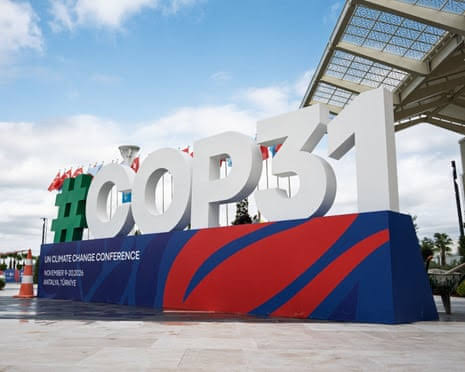
Countries adopted the COP31 agenda after hours of negotiations in Antalya, Türkiye, without including a standalone item on tripling adaptation finance, despite pressure from the African Group for a dedicated discussion.
Although the proposal failed to secure consensus, countries can still raise the issue in other negotiations. For Bangladesh, access to adaptation finance and funding from the Loss and Damage Fund remain key priorities.
Questions also emerged over how COP31 would reach a final decision. Russia questioned how countries could agree on a decision that was not included in the agenda, while Australia proposed that the COP presidency initiate the process and allow countries to jointly shape the text.
Türkiye said any final decision would require agreement from all countries and could address the 1.5°C goal, climate finance and the transition away from fossil fuels.
Meanwhile, the High Ambition Coalition called for an accelerated transition away from fossil fuels, with Fiji, Tuvalu, the Marshall Islands, Germany, the UK and Spain backing the position. However, support for Brazil’s proposed roadmap for transitioning away from fossil fuels remains uncertain.
On Energy Day, a key divide emerged over how governments should pursue energy security, with competing approaches centred on further investment in oil and gas or expanding renewable energy.
Pacific envoys also called for oceans to receive greater attention in the next Global Stocktake (GST2), which assesses collective progress on climate action. Another issue is how the review will account for progress on commitments made at COP28.
Climate finance remained another major concern. The $1.3 trillion finance pathway relies heavily on private investment, according to an update from the COP30 presidency, which outlines different scenarios for the volume of climate finance that could be mobilised by 2035.
Climate and health also gained momentum through three developments: the Antalya Initiative for Health Resilience (AIR), the Climate and Health Funders Coalition, and Brazil’s push for a financing framework to implement the Belém Health Action Plan.