France launches new literary prize for AI-written books
France launches new literary prize for AI-written books
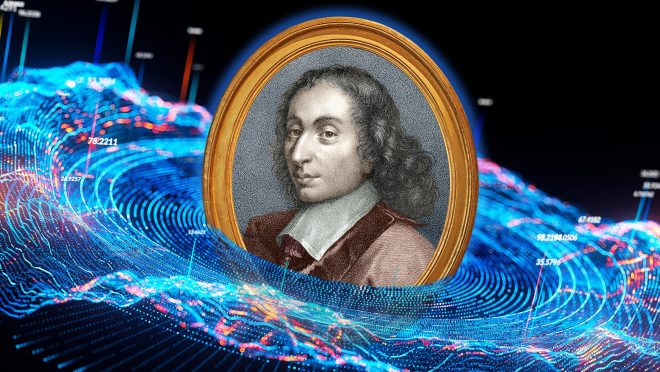
France has launched a new literary prize for books written with the assistance of artificial intelligence (AI), inviting submissions of manuscripts co-written with AI tools. Organisers have also pledged to publish the winning book.
The competition, named the Prix Pascal de Littérature IA, requires participants to submit an unpublished manuscript of between 10,000 and 50,000 words. Entrants must also provide details of the AI models and prompts used to produce their work.
Major language models, including ChatGPT, Claude, Gemini and Llama, are permitted. Writers from anywhere in the world can participate, provided their manuscripts are written in French.
The prize is named after Blaise Pascal, the French mathematician, philosopher and inventor who helped develop one of the earliest mechanical calculators. He was also known for his theological and philosophical writings, particularly Pensées, which Pope Francis praised for its philosophical depth and literary beauty.
Although the competition invites fiction submissions, it comes with a specific requirement: entries must contain ideas that could help address an ethical, social or environmental problem posing a threat to humanity.
The prize was established by three technology entrepreneurs: Philippe Rodriguez, Albain Servien and Gilles Montel.
Rodriguez is a founding partner of Avolta, a consultancy specialising in mergers and acquisitions. The company’s website describes him as a leading figure in Europe’s cryptocurrency and blockchain industry.
Servien is a digital media entrepreneur and former chairman of Têtu, an LGBTQ+ magazine.
Montel, a former government official with a PhD in philosophy, has taught at Harvard University and Paris 1 Panthéon-Sorbonne University. He is also a co-founder of Electis, an online voting platform.
The announcement comes amid months of controversy over allegations of AI use in works by shortlisted authors and winners of several prestigious literary awards this year. The debates have involved the Commonwealth Short Story Prize, the Caine Prize and France’s prestigious Prix Goncourt.
Applications opened on the Prix Pascal’s website last Tuesday and will remain open until the end of November.
Organisers will draw up a shortlist of 10 books before announcing the overall winner in early December. A jury comprising five to six writers, critics, journalists, philosophers and publishers will assess the entries. The judges are expected to be announced in early November.