Himalayan glaciers losing mass 65% faster, putting communities at risk
The Himalaya-Karakoram region is estimated to contain about 40,000 glaciers, but only about 21 are monitored in detail on a sustained basis
Himalayan glaciers losing mass 65% faster, putting communities at risk
The Himalaya-Karakoram region is estimated to contain about 40,000 glaciers, but only about 21 are monitored in detail on a sustained basis
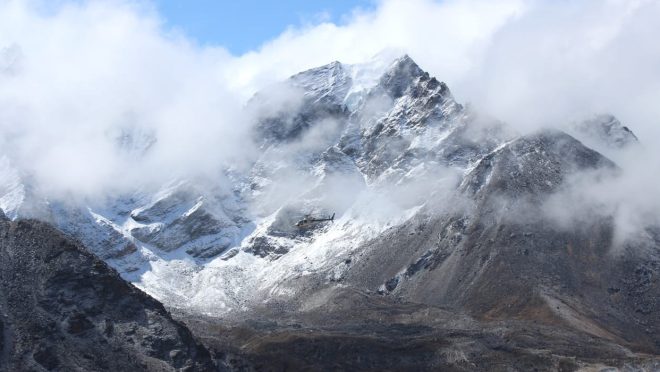
Himalayan glaciers are losing mass 65% faster than they were a decade ago, while a severe monitoring gap is limiting scientists’ ability to track changes across the region, according to the information provided.
The Himalaya-Karakoram region is estimated to contain about 40,000 glaciers, but only about 21 are monitored in detail on a sustained basis. As glaciers retreat, they can leave behind expanding lakes held back by unstable ice and rock, while thawing permafrost can weaken high-mountain slopes, says the BBC.
These changes are increasing the risk of floods and other hazards in mountain communities. Recent floods in Nepal and Tibet killed more than 1,300 people and caused widespread destruction, according to the information provided.
Disaster exposure in India
The risks are particularly significant in India, where the Himalayan region accounts for 18% of the country’s land area but approximately 35% of its natural disasters.
A scientific assessment identified 56 glacial lakes as “very high risk”, while India’s Central Water Commission is monitoring 2,485 glacial lakes larger than 10 hectares across Himalayan river basins.
Glacial lake outbursts have already caused major disasters. The 2023 Sikkim flood killed at least 70 people and damaged hydropower facilities and roads, while a 2021 flood in Uttarakhand killed more than 200 people.
The growing risks come as the region’s water resources remain critical to India’s economy.
Economic dependency and “peak water”
Water from the Himalayas feeds river systems that support roughly 20% of India’s GDP, including agriculture, hydropower and pilgrimage-related economies. Mountain states, however, capture only about 5% of that economic value.
Agriculture dependent on Himalayan-fed rivers includes the production of wheat, rice and tea, while hydropower is another major economic activity linked to the region’s water resources.
Tourism is also placing growing pressure on the Indian Himalayan region, which receives approximately 400 million tourist visits annually. The volume of visitors is straining local infrastructure and ecosystems.
At the same time, glacier runoff across most Hindu Kush Himalayan river basins is projected to reach “peak water” around mid-century. After that point, water availability is expected to steadily decline as glaciers continue to shrink.
Black carbon adds to pressure
Black carbon is another contributor to glacier melt. Roughly one-third of Himalayan glacier melt is driven by black carbon, or soot, from sources including brick kilns in surrounding plains.
The particles settle on snow and ice and absorb solar radiation, accelerating melting. Unlike global greenhouse gases, black carbon is a regional pollutant that South Asian countries can address through targeted local policies.
A report by Systemiq, the Integrated Mountain Initiative and ICIMOD outlines 10 priority transitions aimed at addressing the risks. These include reducing black-carbon emissions, expanding glacier monitoring, strengthening advance disaster preparedness and changing tourism models from maximising visitor numbers to retaining more economic value locally.
The scale and cross-border nature of the risks also require cooperation among countries sharing the Himalayan river systems.
Climate-related hazards do not stop at political borders, making joint early-warning systems, shared risk data and cross-border investments in resilience important measures for protecting downstream communities.