US schools turn to composting, food-sharing to reduce cafeteria waste
US schools turn to composting, food-sharing to reduce cafeteria waste
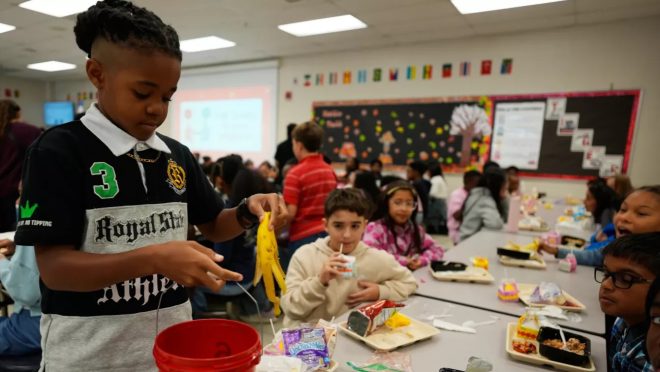
Schools across the US are reducing cafeteria food waste through composting, food-sharing tables and student-led initiatives, helping cut landfill waste and promote environmental awareness.
Lovin Elementary School in Lawrenceville, Georgia, serves around 900 students and uses compost bins, worms and chickens to manage food scraps. Students collect leftover fruit and vegetable scraps for composting, while unopened milk and other edible items are placed in a shared refrigerator or table for others to take.
A 2018 food audit found 589 pounds of discarded food during a two-hour lunch period. Following awareness campaigns and the introduction of sharing facilities, food waste dropped by nearly one-third in a subsequent audit.
The school now composts around 100 pounds of produce waste weekly and collects about 100 items for sharing each lunch. Unclaimed food is donated to a community food pantry.
Baltimore City Public Schools, serving more than 76,000 students, has also introduced sharing tables, composting and a 33-acre learning farm to teach students about food production and sustainability.
The World Wildlife Fund’s Food Waste Warriors programme has worked with more than 1,000 schools, with some reducing waste by up to 70%.
A 2019 WWF study estimated that US schools waste around 530,000 tonnes of food annually, costing $1.7 billion.
However, limited budgets, staffing requirements, federal meal standards and food safety regulations remain challenges.
Experts say involving students in food recovery and waste reduction is essential to achieving lasting change.