If the cyclone hit Bangladesh today, would we be ready?
If the cyclone hit Bangladesh today, would we be ready?
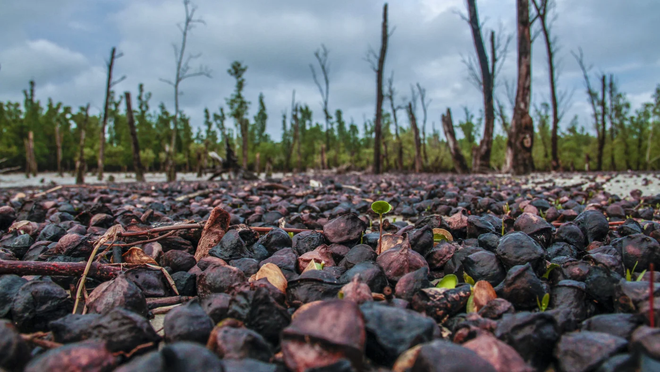
On the evening of 15 November 2007, Cyclone Sidr came ashore and turned Bangladesh’s southern coast into a landscape of broken homes, uprooted trees and saltwater. Nearly two decades later, Sidr is usually remembered through numbers: more than 3,000 people killed, around nine million affected and billions of dollars in damage.
But on its anniversary, perhaps the more uncomfortable question is not what Sidr did then. It is what the same storm could do now.
At first, the answer seems reassuring. Bangladesh has changed considerably since 2007. Cyclone warnings travel faster. More shelters have been built. Disaster preparedness has improved, and the death toll from major cyclones is no longer automatically comparable to the catastrophes Bangladesh experienced decades ago.
But a stronger warning system does not make the sea less dangerous.
Sidr made landfall with winds reaching roughly 240 kilometres per hour and a devastating storm surge. It was also, in some ways, a disaster Bangladesh was fortunate to survive with an even higher death toll. Research on the cyclone has noted that the Sundarbans absorbed part of its force, helping reduce wind speeds and storm surge before they reached populated areas. Sidr also made landfall at a relatively favourable tidal moment. A small change in either of those conditions could have made the disaster far worse.
That matters because Bangladesh is no longer facing the exact same coast that Sidr encountered in 2007.
Climate change has altered the baseline. A cyclone does not need to become dramatically stronger to become more destructive. Rising sea levels mean storm surges begin from a higher point. Warmer seas can provide more energy to tropical cyclones. A surge that once flooded a certain stretch of land can potentially reach farther inland when combined with higher sea levels and changing coastal conditions.
The World Bank’s climate risk assessment makes the comparison particularly unsettling. It notes that a storm with the same strength and surge as Sidr could produce an inundated area 53 percent larger by 2100 under projected sea-level rise. Even before reaching that future, Bangladesh’s coastal infrastructure is already dealing with increasing risks of overtopping and more severe storm surges.
Then there is the question of the forest standing between the sea and millions of people.
The Sundarbans is often described as Bangladesh’s natural shield, but that phrase can sound almost decorative until one considers what happens when the shield weakens. Mangroves do not simply make the coastline greener. Their dense vegetation can reduce the energy of waves and storm surges. Research modelling a Sidr-like cyclone found that major mangrove loss could amplify storm surge significantly and increase both the flooded area and the distance floodwaters travel inland.
This is where the story of a future Sidr becomes partly a story of human choices. What we do matters in much higher magnitude, and it is high time we understood that. Deforestation, forest degradation and damage to coastal ecosystems do not create every cyclone. Neither can climate change be blamed for the existence of a single storm without specific scientific attribution.
But climate change can load the dice by worsening the conditions in which cyclones develop and by raising the seas they push against Bangladesh’s coast. Meanwhile, removing or degrading mangrove cover can leave communities more exposed when that water arrives.
So if Sidr returned today, Bangladesh might save more lives through better warnings and evacuations. But that does not necessarily mean the country would suffer less overall.
The danger may simply look different. More people, homes, roads, shrimp farms and economic activity now sit in vulnerable coastal areas. Saltwater can destroy crops long after the cyclone has disappeared from television screens. Embankments built for an older climate can face pressure from a changing one. And the people who cannot easily evacuate, rebuild or relocate remain the most exposed. Maybe that is the real lesson of 15 November.
Sidr should not only be remembered as a disaster Bangladesh survived. It should be remembered as a test Bangladesh may have to take again, under worse conditions. The question is not whether Bangladesh has become better at responding after the warning is issued. It has.
The harder question is whether we are doing enough before the next warning appears on our phones.