Beyond Chandler Bing: The complicated life
Beyond Chandler Bing: The complicated life
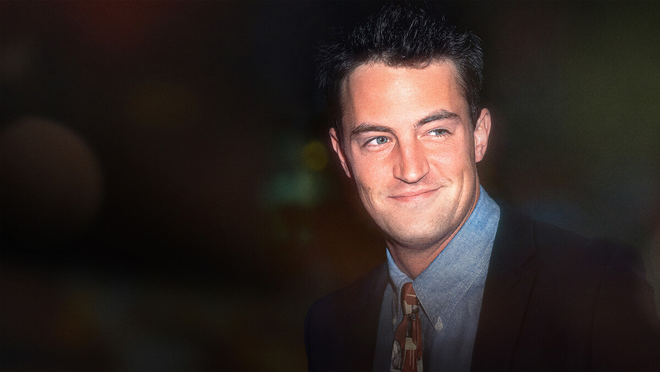
I have always found something comforting about people who can make a joke out of almost anything. Matthew Perry made an entire generation laugh. Watching his story unfold, I found myself wondering how much we had mistaken his humour for happiness.
There is something strange about grieving someone you have never met. When Matthew Perry died in October 2023, I remember how difficult it was to separate the news from the character I had come to find comfort in watching.
Chandler Bing had become one of those familiar television personalities who somehow felt less like a fictional character and more like someone you knew. His sarcasm, awkwardness and inability to take a sincere moment seriously were part of what made Friends so comforting.
But familiarity with his face had never translated into an understanding of the person behind it.
Netflix’s three-part documentary The One About Matthew Perry brought the distinction into focus in a way I had never experienced before. Through his sister Mia Perry Bowick, lifelong friends, former partners and people he met during recovery, the documentary introduces a man who was considerably more complicated than the sitcom star we remember. They call him Matty. They remember his generosity, his humour, his friendships and, sometimes painfully, the person he became during his repeated struggles with addiction.
What stayed with me most was not any particular revelation. It was watching people describe someone they loved while acknowledging how difficult loving him could become. His sister speaks with a tenderness that does not erase frustration. His friends remember the good times without pretending that every reunion was a happy one. Their affection feels especially moving because it is not dependent on presenting Perry as a perfect person.
I think that is where the documentary succeeds most. It allows his uncomfortable addiction to be understood through the people who experienced its consequences alongside him. It’s heartbreaking hearing a friend describe another attempt at recovery while knowing how the story eventually ends. The uncertainty that once existed in their lives is replaced, for the audience, by the terrible certainty of hindsight.
The Friends footage carries a different weight in this context. I have always thought Chandler’s humour worked because it made vulnerability easier to approach. He could say something deeply uncomfortable and turn it into a joke before anyone had the chance to respond seriously. Perry made that defence feel charming. Watching the documentary, however, made me wonder whether audiences had become too comfortable celebrating humour without considering what it might conceal.
The 2021 reunion is particularly difficult to revisit. At the time, viewers speculated about Perry’s appearance and speech, discussing his behaviour as though it were simply another celebrity curiosity. The documentary places those reactions beside the concerns of people who knew what he was going through. The contrast is uncomfortable and perhaps intentionally so. We were watching someone we loved to see on screen without understanding what the people around him were seeing, though.
Yet, I appreciated that the documentary did not leave me thinking only about his suffering. His efforts to help people in recovery, his life in recovery and his advocacy for drug-court reform reveal another side of his life. Tim Harrington’s account of Perry helping him rebuild his own life is particularly moving. It is a reminder that Perry was not simply someone who needed saving; he was also someone who reached out to others.
The series is not perfect. At approximately three hours, it occasionally feels repetitive, and anyone familiar with Perry’s memoir will find relatively few major revelations. It is also less interested in challenging the people who remember him than in allowing them to speak. But perhaps that is a reasonable choice for a documentary built around grief and remembrance. Not every story needs another scandal to justify telling it.
What I found myself thinking about afterwards was how easily we confuse the emotional familiarity of a character with knowledge of the person playing him. We spent ten seasons with Chandler. We laughed at his jokes, recognised his insecurities and watched him grow into someone capable of love without always knowing how to express it. It is tempting to carry that familiarity over to Perry himself.
Matthew Perry made millions of people feel less alone. I wish the story behind those jokes had ended differently.