Why Ads don’t hit like they used to
Why Ads don’t hit like they used to
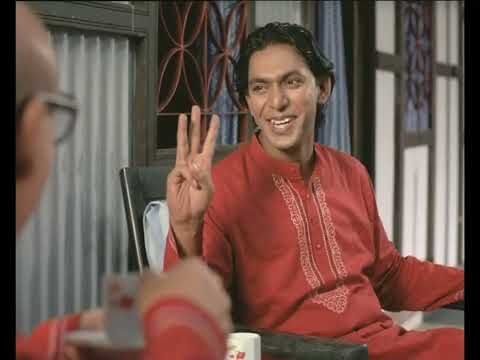
When we hear the word “advertisement,” almost nothing good comes to mind. Most of us would think of the ad that interrupts a video mid-scroll, or the one standing between us and whatever we actually wanted to watch on YouTube. The instinct now is to skip, not to watch.
But advertisements used to be different.
In the late 2000s and 2010s, advertisements were mostly on television. Some of those we still feel nostalgic about even decades later.
Mojo’s “Asmane Pakha Melo”, PHP Arabian Horse Tin’s “Jinish jeta bhalo daam tar ektu beshi”. Those advertisements weren’t any rocket science, they carried simple taglines with a purpose to actually communicate with mass people. They were simple, and advertisements like those don’t really exist anymore.
Every advertisement, whether it plays for thirty seconds on television or sits in the corner of a newspaper page, is built simply on three things: idea, emotion and persuasion.
Idea is what makes an ad worth remembering. It’s about a thought which is simple enough to communicate with the mass audience.
Emotion is what makes that thought stick, through humour, nostalgia, warmth, sometimes even grief.
Lastly, persuasion is what actually makes someone pick one product over another. An advertisement that gets at least two of these right can last for years. Ads that get none of them right disappear the moment they stop airing.
Most old Bangladeshi advertisements used to get these right, which is why we still search for those ads on YouTube just to feel the same nostalgia.
Before we dive into those classic nostalgic ads, let’s briefly discuss print media’s magic.
In print media, good advertisement depends simply on a good tagline, such as Walton’s “Deshi Ponno Kine Hon Dhonno”. It was a simple idea which swiftly carried Walton’s USP.
Grameenphone’s “Cholo Bohudur” worked the same way, a simple tagline about a SIM company, carrying a message about its USP that the network goes beyond.
These are the kind of lines that outlive the products they were made for. Nowadays, we rarely see this kind of advertisement in print.
In the case of television, advertisements in those times used to actually connect with people, so much so that people remember them to this day. Danish’s ad on the mountain, “Tumi Ami ar Danish,” felt less like an advertisement and more like a scene from a song. That ad was not made just to sell a product, rather it sold a dream and vision. This is the type of ad people hold onto even after years, the kind they used to wait for while watching TV. RC Cola’s Eid ad did not just show a bottle of RC on the Eid dining table, it summarised the entire celebration of Eid through the ad itself.
Another such iconic ad is the Cocola Noodles ad, with a simple song and visuals that caught the direct attention of children: “Ma korche ranna, kheladhula ar na, chol giye dekhi ma radhche ki.” A tagline like this is not easily forgotten, because all three elements, idea, emotion and persuasion, are strong here.
These were not the only kind of golden ads from that era. Some carried a tagline; some carried a story. Tahsan and Mithila’s Jui Coconut Oil ad, “Oh ami purono hoye gechi,” is one such example, where the product moves through the plot using the pull of celebrity faces. And there were branding campaigns that felt like complete packages, Grameenphone’s “Shopno Jabe Bari” was one such ad, launched during Eid, with meaningful lyrics and multiple intertwined stories about people returning home. It remains timeless, still used during Eid seasons even now.
All these ads had one thing in mind: they were not trying to sell products, they were trying to buy emotion and earn attention, and that is what eventually led to a successful ad campaign.
And this is the key thing today’s advertisements miss. Most ads now are made simply to feature a product. Skitto’s ad is a case in point, straightforward about the facilities it provides and little else, and Mr Noodles’ ramen ad follows the same pattern. They have no storyline, no character, no moment worth remembering, just the noodles being cooked on screen with heavy video editing standing in for an idea. There is no emotion to catch, and persuasion is reduced to repetition, showing the product long enough that it registers, rather than earning a reason to buy it.
Ads like this are why people hit the skip button the moment they pop up, or change the channel entirely. The human mind is designed to pause only for what actually catches its attention, and an ad with nothing to say gives it nothing to pause for.
However, there are still creators trying to catch attention rather than simply sell a product. Bata’s Eid campaign featuring Sabila Nur and Siam Ahmed, much like RC Cola’s old ad, tried to capture the full spirit of Eid rather than just the product. Pran Up’s ad featuring Iftekhar Rafsan and Tasnim Sunehra is also worth noting. Grameenphone still attempts advertisements built around a storyline.
So, the era isn’t officially over, but the numbers have dropped, and with them, so has the audience’s attention span.
Both sides share the blame here. Audience attention spans have shrunk significantly because of the sheer availability of content. Jumping from one video to another. Reels especially have trained audiences to switch channels and skip ads within seconds. And as attention spans have shrunk, ad creators have responded as well. They make advertisements as short as possible, and in doing so, they tend to skip ideas, emotion and persuasion. Now the ads directly jump straight to product branding.
Making an ad that holds attention while balancing idea, emotion and persuasion is genuinely difficult now. Which raises the question: is the era of impactful advertisement fading, or simply rarer than it used to be?