How fast your heart rate slows after exercise could reveal health risks
How fast your heart rate slows after exercise could reveal health risks
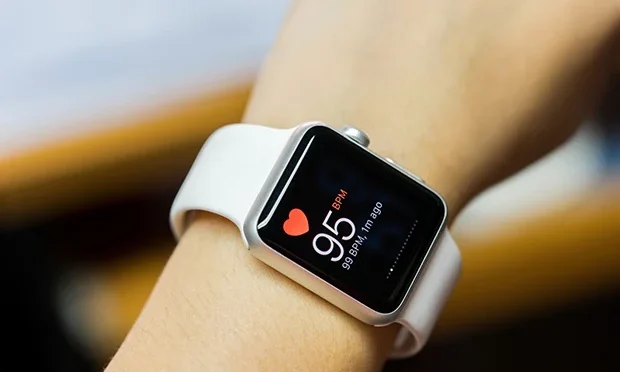
How quickly a person’s heart rate returns to normal after exercise may offer clues about their cardiovascular health and risk of premature death, according to a BBC report.
Known as heart rate recovery (HRR), the measure tracks the difference between a person’s heart rate immediately after exercise and their heart rate one minute later.
A 1999 study by researchers at the Cleveland Clinic in the United States, which followed around 2,400 adults for six years, found that people with poor heart rate recovery were about four times more likely to die during the study period.
Subsequent research has also linked slower heart rate recovery to a higher risk of death from various causes.
According to cardiologists and exercise researchers, HRR reflects how effectively the autonomic nervous system regulates the heart after physical exertion. The vagus nerve plays a key role in slowing the heart rate as the body transitions from an active state to rest.
A simple HRR test involves measuring the heart rate immediately after exercise and again after one minute of rest, then subtracting the second reading from the first. Exercise should raise the heart rate to around 70-85% of its estimated maximum, calculated as 220 minus a person’s age.
A drop of at least 18 beats per minute during the first minute is considered a good recovery rate in the report, while a drop of fewer than 12 beats may indicate potential health concerns. However, results can vary depending on age, fitness and testing conditions.
Experts recommend consulting a doctor if concerned about heart rate recovery. Regular cardiovascular exercise, including brisk walking, cycling, swimming and jogging, may help improve recovery.
People should seek medical advice before starting a new exercise programme, particularly if they have existing heart conditions, and stop exercising if they experience chest pain, dizziness or unusual shortness of breath.