Locally made aluminium pots may release toxic lead into food, study finds
Locally made aluminium pots may release toxic lead into food, study finds
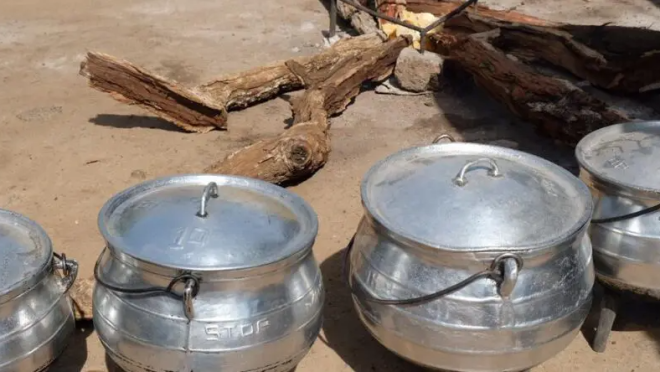
Locally made aluminium cooking pots can release toxic lead into food, with new pots posing the highest risk during their first uses, according to a study by icddr,b and Stanford University.
Published in the Journal of Exposure Science & Environmental Epidemiology, the study found that rice cooked in new pots contained up to 305 micrograms of lead per kilogram, while khichuri contained up to 420 micrograms.
Both levels significantly exceed the US Food and Drug Administration’s (FDA) reference limit of 10 micrograms per kilogram for food intended for babies and young children.
Researchers tested 27 aluminium pots, including seven used pots collected from households and 20 new pots purchased from a local supplier. Lead was detected in food cooked in every new pot tested, as well as in rice cooked in six of the seven used pots.
The study also found that cleaning and cooking practices affected lead release. Scrubbing new pots with steel-wire sponges released around five times more lead than leaving them unscrubbed, while stirring with metal spatulas also increased contamination.
Researchers warned that many locally made aluminium pots are manufactured using melted scrap metal, which may contain lead if not properly screened.
Lead exposure can cause lasting damage to children’s brain development, learning and behaviour. The World Health Organization says there is no known safe level of lead in blood.
Based on typical rice consumption among children in rural Bangladesh, researchers estimated that eating rice cooked in such pots could expose children to more than five times the FDA’s reference level for daily dietary lead intake.