Rural population still behind in internet access: reports BBS
In terms of security, 78.5% of users were able to take immediate action following a cyberattack
Rural population still behind in internet access: reports BBS
In terms of security, 78.5% of users were able to take immediate action following a cyberattack
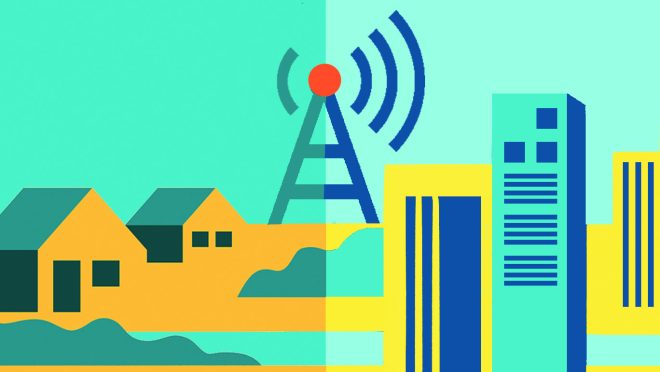
A significant digital divide remains entrenched in Bangladesh, with a 32.1% gap in individual internet usage between urban and rural populations, according to a recent survey by the Bangladesh Bureau of Statistics (BBS).
The survey, titled “Survey on Measuring the Opportunities and Usage of ICT,” was released this afternoon (16 April) at the BBS office in the capital’s Agargaon.
The report reveals that while 75.7% of urban residents use the internet, only 43.6% of the rural population does the same. Beyond infrastructure gaps, the survey identifies affordability as a major barrier, noting that 43.6% of the total non-users avoid internet services due to high costs.
The data provides a comprehensive snapshot of the nation’s technological landscape, indicating that while 88.4% of the population uses mobile phones, only 64.4% own their own devices.
Furthermore, the rate of computer usage remains low at 11.3% nationwide, while internet penetration among individuals stands at 53.4% overall.
Regional disparities in internet access are also pronounced.
Dhaka leads the country in household internet access, while Panchagarh has the lowest. Similarly, Dhaka records the highest rate of household computer usage, with Thakurgaon reporting the lowest.
Regarding the online behaviour of users, the survey found that 64.4% of those who used the internet in the last three months searched for government jobs, while 49.8% used the web for sports-related content.
Meanwhile, 11.6% of total users engaged in online shopping during the same period.
The survey also evaluated the digital competency and security awareness of internet users. It found that 84.4% of users are proficient in basic tasks such as copying and pasting.
In terms of security, 78.5% of users were able to take immediate action following a cyberattack.
However, the report also highlights that 50.5% of risks associated with the internet is viruses and malware.