AI model learns to improve predictions using self-generated data, study finds
AI model learns to improve predictions using self-generated data, study finds
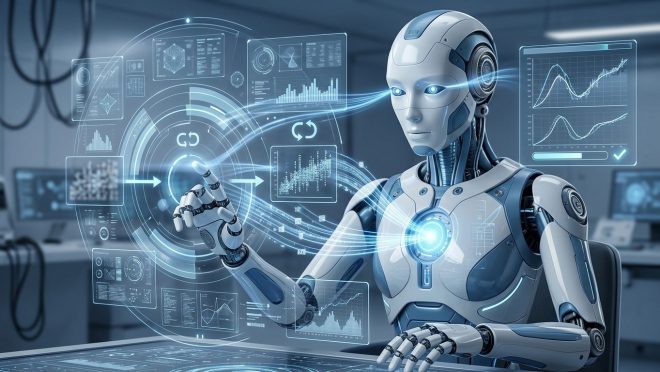
An artificial intelligence (AI) model can improve its predictive abilities using data generated entirely by itself, without exposure to real-world information, a study by researchers from Tel Aviv University (TAU) and Stanford University has found.
The study, published on the scientific website arXiv, presents a new approach to AI training that could help machines develop learning capabilities without relying on large collections of human-generated data, according to a statement issued by TAU on Wednesday.
Researchers trained two computer models together, with one generating sequences of symbols and the other learning to predict the next symbol.
As training progressed, the first model became better at creating exercises that helped the second model improve its predictions.
The researchers tested the trained model across several types of data, including language, images, sounds, music, computer code and DNA sequences.
The results showed that the model’s predictive performance improved with increased computing power during training.
However, the researchers cautioned that the approach cannot teach AI systems facts about the real world without access to real-world information.
Instead, the method could help future AI systems learn more efficiently when they are eventually exposed to real-world data.